

UK Climate Adviser Warns Against Weakening Electric-Vehicle Sales Mandate
Posted
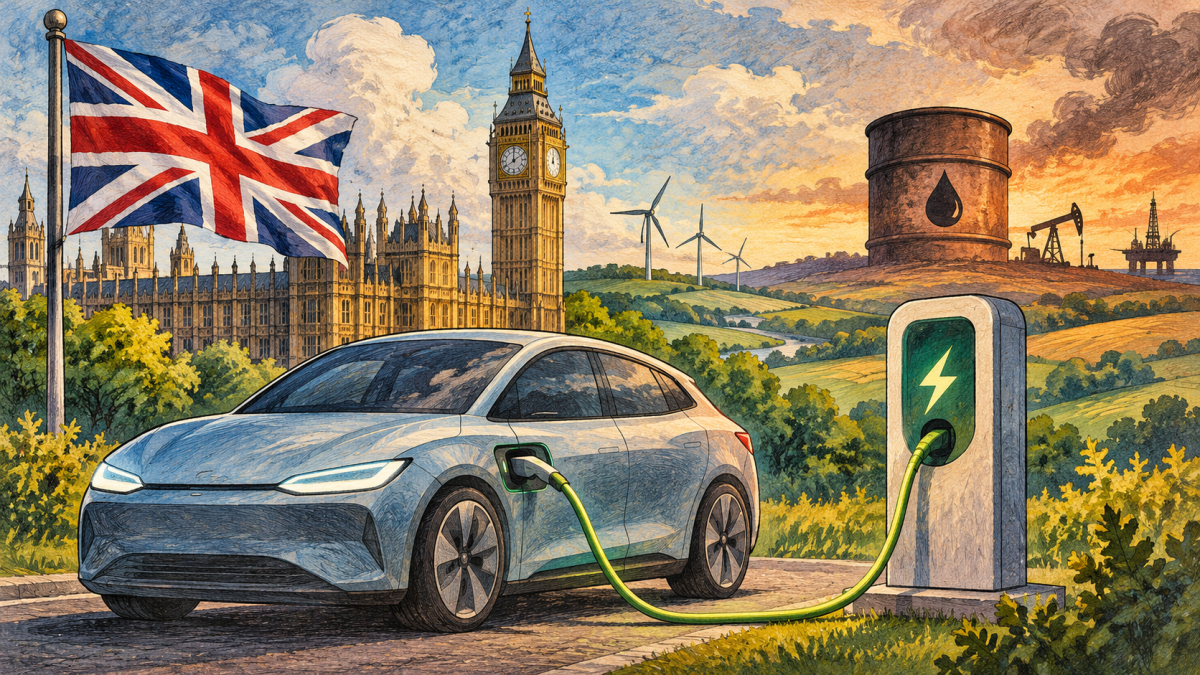
Britain's independent Climate Change Committee is urging the government to preserve its electric-vehicle sales requirements, arguing that a weaker mandate would increase exposure to oil prices and make national emissions targets harder to meet. The committee published its warning Nov. 18 as the government reviews the policy.
The statement is advice about a possible change, not an announcement that the rules have been relaxed. BBC reporting on the same day said government sources maintained that no decision had been made. The government said it remained committed to phasing out new petrol and diesel cars by 2030 and to all new car and van sales being zero emission by 2035.
What the mandate does
The Zero-Emission Vehicle mandate requires manufacturers to increase the proportion of electric vehicles they sell domestically over time. The committee argues that this creates investment certainty across the automotive supply chain and helps British manufacturing respond to the international shift toward electric vehicles.
Under the current framework described by the BBC, 80% of new car sales must be zero emission by 2030, rising to all new cars in 2035. The rules include compliance flexibilities. As a result, the headline percentage for a year does not by itself establish whether an individual manufacturer, or the industry collectively, has met its obligations.
The BBC reported that fully electric vehicles accounted for 26.6% of new registrations in the year to date, citing the Society of Motor Manufacturers and Traders. That was below the headline 33% requirement for 2026. But the report also cited analysis suggesting the industry could comply once available flexibilities were counted. These are different measures and should not be substituted for each other.
Oil dependence and carbon budgets
The committee points to the government's impact assessment, saying weaker headline targets would imply an additional 15 million barrels of oil consumption annually by 2030. At the prices used in its statement, that would mean more than £1 billion a year in purchases on international markets. Those are projected consequences of a policy scenario, rather than oil consumption already recorded.
The adviser also says electric vehicles provide the largest share of emissions reductions in the government's Carbon Budget and Growth Delivery Plan through 2037. Weakening the mandate would make delivery of the Sixth Carbon Budget, covering 2033–37, harder and more expensive, it argues.
Its warning extends beyond the UK-wide target. The committee says a review must consider the separate carbon budgets of Scotland, Wales and Northern Ireland because the mandate also supports those plans.
The industry debate remains open
The committee estimates that a typical household can save around £800 annually by switching to an electric car. That is the adviser's general estimate; it does not establish savings for a particular driver, vehicle or charging arrangement.
Manufacturers have raised a different concern about the cost of meeting the sales requirements. In the BBC report, SMMT chief executive Mike Hawes said the industry could not subsidize the transition indefinitely and wanted changes. The government described its review as an effort to take a pragmatic, balanced approach while maintaining its phaseout commitments.
The next material development will be the outcome of that review and any specific proposals it produces. Until then, the committee's letter establishes an intervention in the policy debate, with projected costs and emissions consequences, rather than a completed change to the rules governing car sales.