

Paolo Bulgari Dies at 89 After Shaping a Distinctive Roman Jewelry House
Posted
Paolo Bulgari, the Italian jeweler who helped turn his family's Roman business into an international luxury house, has died in Rome at 89. His family announced the death Nov. 21, and the company paid tribute to the gemstone specialist who had served as its chairman since 1984.
His career connected the practical work of selecting stones and developing designs with the expansion of a family enterprise into a much larger business. The house became known for strong colors, substantial yellow gold and designs drawing on Greek and Roman art, establishing a recognizable identity alongside the traditions of other European jewelry makers.
Bulgari was the grandson of the company's founder, the Greek silversmith who established the business in Rome in 1884. He belonged to the family's third generation in the trade. Reporting by the BBC, Euronews and jewelry publication JCK describes a working life closely connected to gemstones and the visual character of the brand.
Gemstones at the center of the work
Paolo Bulgari began working with his father in 1960. He developed expertise in precious stones, a skill the company's tribute identified as central to its design sensibility. The interest was not limited to the administration of a growing company: accounts of his career describe continued involvement with jewelry design even in later life.
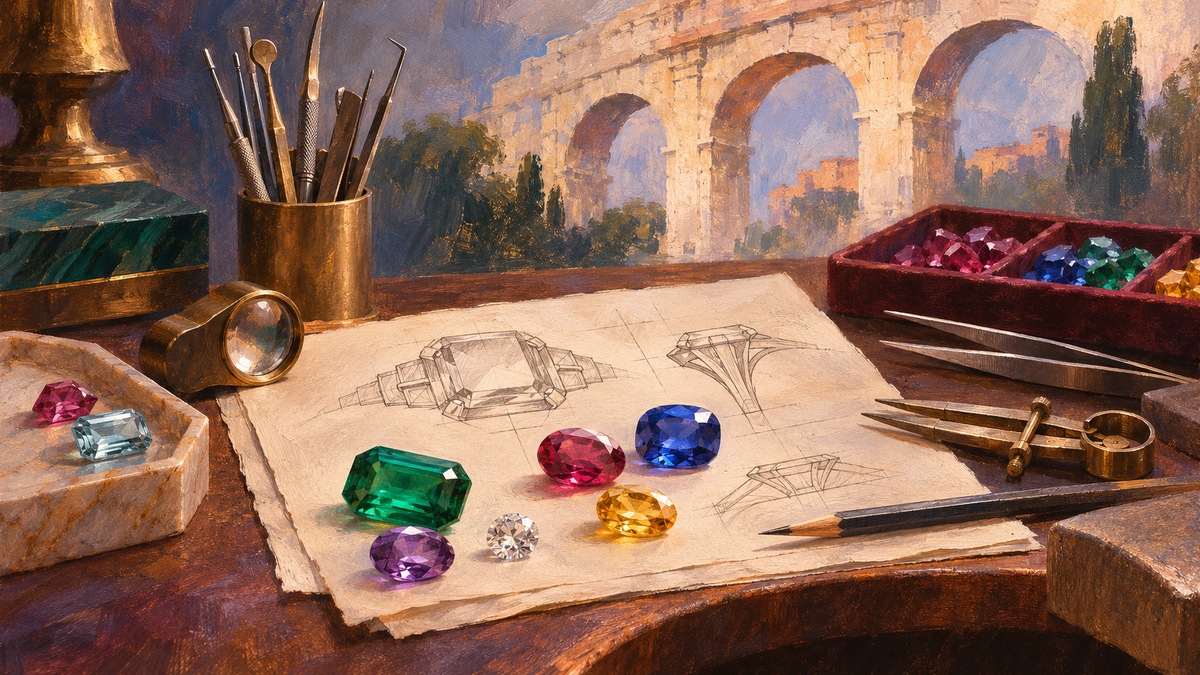
The distinctive style associated with the family used unexpected combinations of colored stones and generous proportions. It drew on the architecture and heritage of Rome, making the city's influence part of the house's aesthetic rather than simply its address. The result was an approach that became closely associated with Italian luxury and recognizable to clients beyond Italy.
Celebrity clients helped increase that international visibility. Elizabeth Taylor was among the best-known admirers of the house's jewelry, and its pieces have also been worn by royalty and later generations of film and fashion figures. Those associations helped carry the designs into public view, although they were only one aspect of the firm's wider development.
Expansion beyond the original business
After becoming chairman in 1984, Paolo worked with other family members as the business expanded internationally. Watches, fragrances, leather goods and accessories joined jewelry in the company's portfolio. The brand's eventual reach therefore went beyond the workshop and boutique activity from which it developed.
A major change came in 2011, when the family sold its controlling stake to the French luxury group LVMH. The sale ended direct family control but did not end Paolo's involvement with the house. He remained chairman and continued to be associated with its creative work and heritage.
The BBC reported a tribute from LVMH chairman and chief executive Bernard Arnault describing Paolo's role in the brand's success and its Italian and Roman identity. The jewelry company likewise emphasized his creative influence and the time he devoted to younger designers. These were public tributes following the announcement, rather than interviews conducted for this article.
A commitment to young people in Rome
Beyond the luxury business, Paolo Bulgari and his wife established a foundation in 2019 to support education and job training in disadvantaged areas on the outskirts of Rome. That work connected his later philanthropy with the city in which the family business had taken root.
Euronews describes a major project involving the redevelopment of Largo Mengaroni in the Tor Bella Monaca district, completed in 2023 in cooperation with schools, associations and municipal authorities. The project is earlier context for his public life, rather than a new initiative announced with his death.
Accounts published after the family's announcement also listed funeral plans for Nov. 23 at the Basilica of Santa Croce in Gerusalemme in Rome. A published plan alone does not establish what occurred at the service, and no account of attendance or proceedings is offered here.
Bulgari's legacy brings together three related strands: detailed knowledge of gemstones, an unmistakable design language and the growth of a Roman family house into a global brand. The new development is the announcement of his death and the tributes that followed. The history provides the context for why his contribution extended across both the craft and the business of jewelry.